
Building the skills that make connection possible
For toddlers, children, and young adults with autism and developmental differences, social connection doesn't always come naturally — but it can absolutely be learned. Our evidence-based social skills training builds the foundational abilities that help every learner engage, communicate, and form meaningful relationships.
"We believe in empowering diverse individuals to achieve remarkable independence — increasing social interaction, communication, and activity engagement while decreasing maladaptive behaviors."
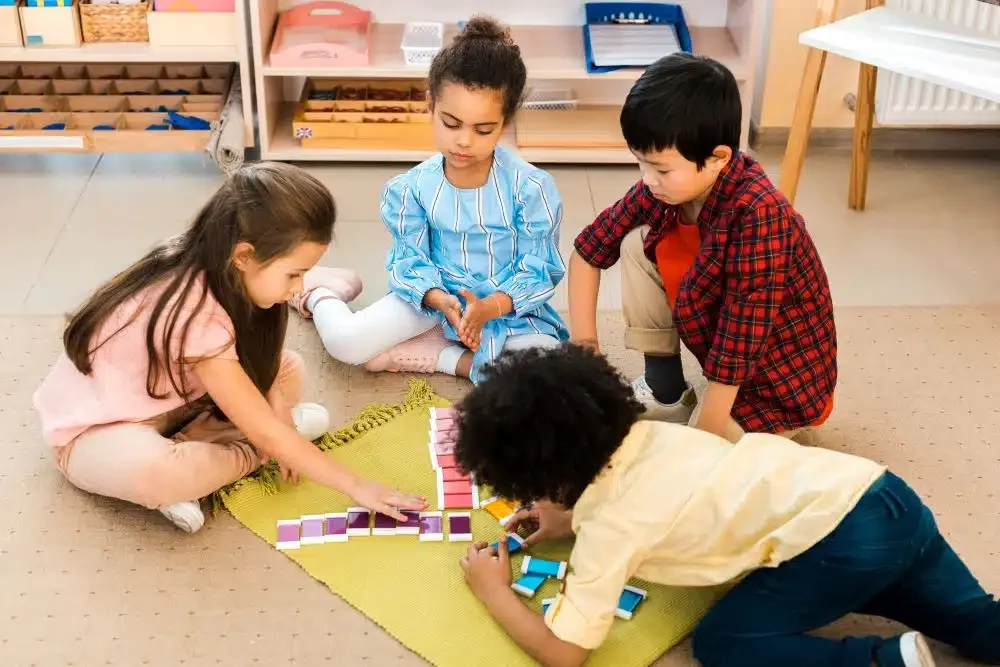
🌍
EVERY JOURNEY IS UNIQUE
We work with diverse learners and understand that no two paths to independence look the same. Every social skills plan is built around the individual.
🤲
COLLABORATION IS KEY
Research shows that active caregiver participation helps learners reach their goals faster. We work hand-in-hand with families, schools, and other providers.
📊
EVIDENCE-BASED PRACTICE
We focus on effective, proven strategies to achieve the best results in the shortest time — with data to show clear progress.
Social interaction touches everything — school success, friendships, community participation, and long-term independence.
For learners who find these interactions challenging, targeted ABA-based social skills training can be life-changing.
Social skills are the foundation of
quality of life
WHY IT MATTERS
1.
Connection & Belonging
Learning to initiate play, respond to peers, and maintain friendships isn't just about social niceties — it's about belonging. These skills shape how learners experience the world at every stage of life.
2.
Academic & Community Success
Social skills underpin participation in group learning, community activities, and eventually the workplace. Building them early opens doors that stay open for a lifetime.
3.
Reduced Challenging Behavior
Many challenging behaviors are rooted in an inability to communicate wants, needs, or frustration. Teaching social and communication skills directly reduces the behaviors that get in the way of connection.
One of the most important principles in ABA therapy is generalization — skills learned in one setting must transfer to all settings where they're needed. That's why we deliver social skills training across home, school, and community environments.
We don't just teach social skills in a therapy room and hope they transfer. We practice them in the real environments where they matter, with real peers, real routines, and real demands.
Skills that generalize across every environment
WE TEACH
HOME
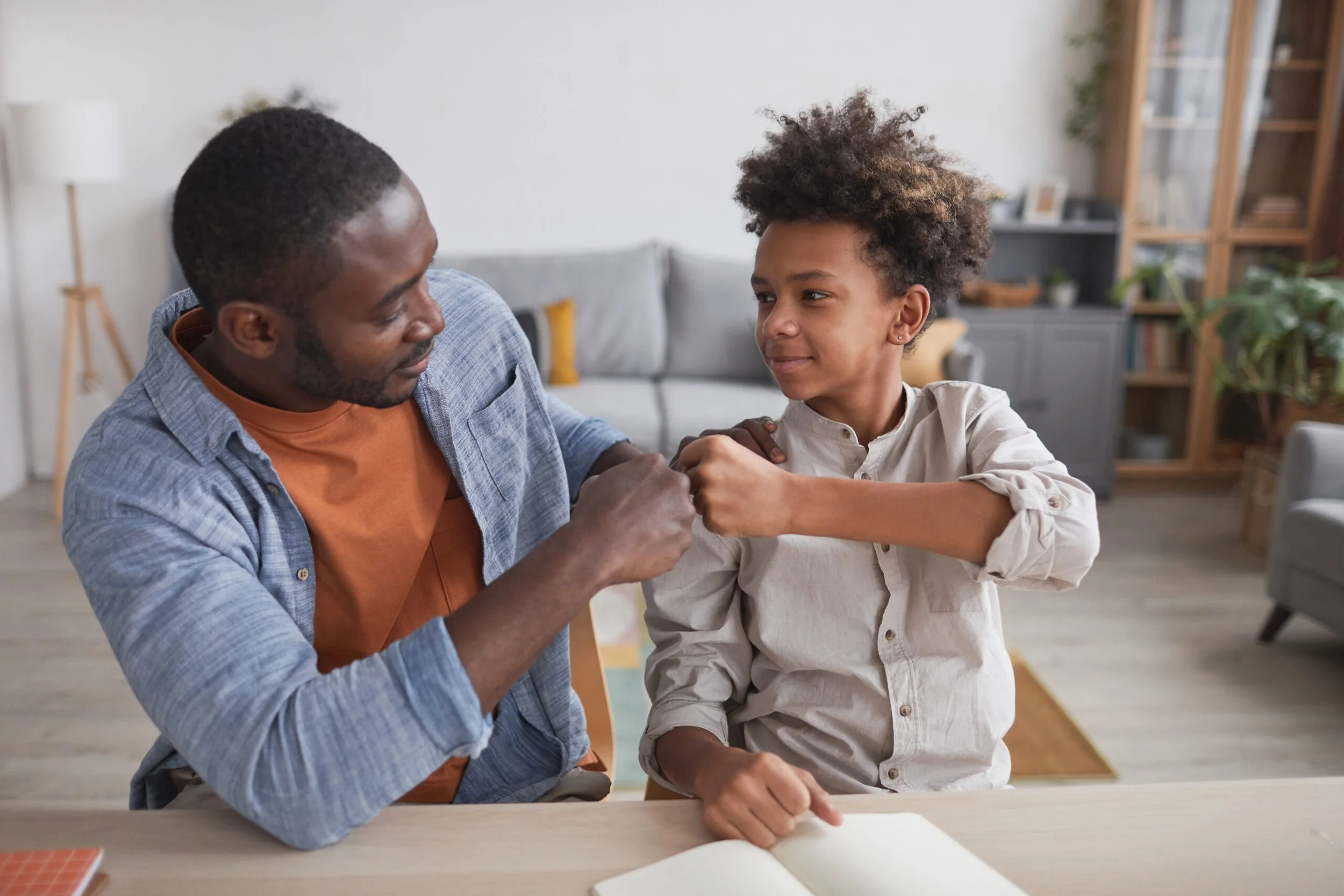
Family interactions, sibling play, mealtime conversations, and daily living routines that build social habits in the most familiar environment.
SCHOOL & DAYCARE
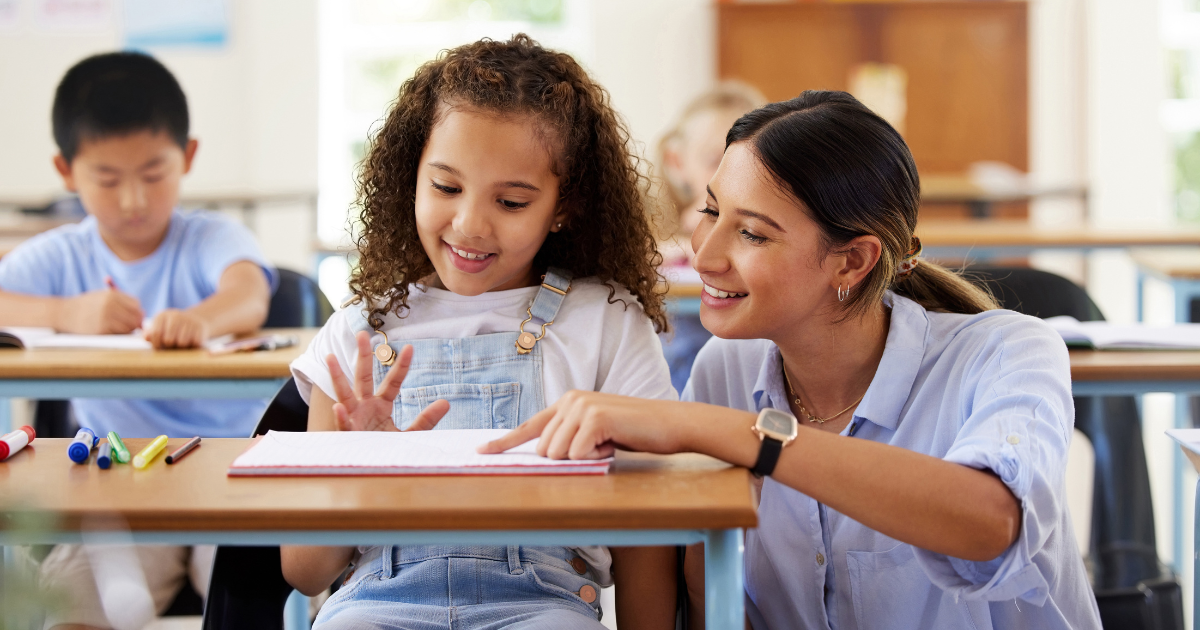
Classroom participation, recess, group projects, and peer interactions — with
educator alignment so strategies are consistent throughout the school day.
COMMUNITY
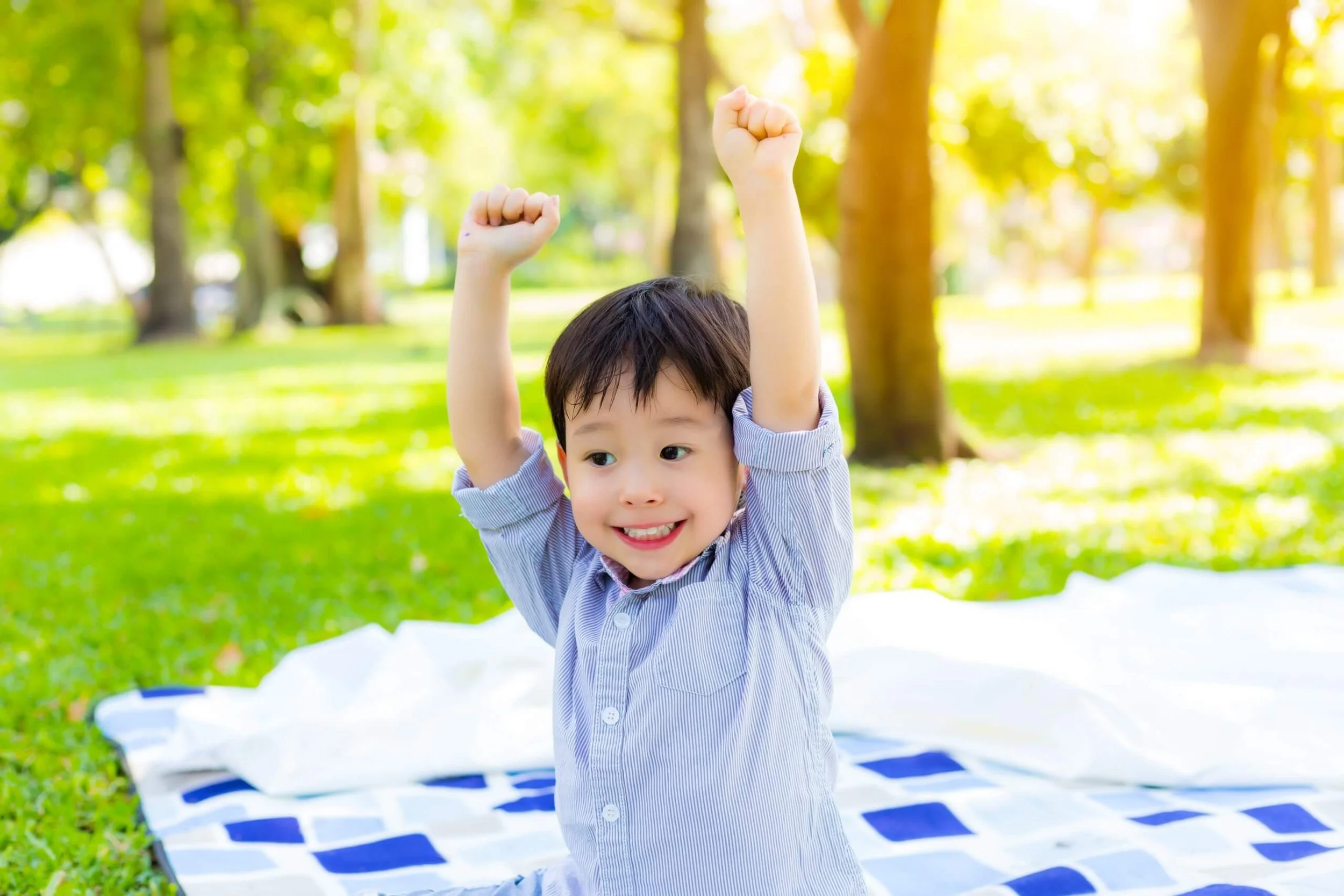
Parks, stores, after-school programs, and community events — practicing the social
skills that support independence and belonging in the broader world.
GROUP SETTINGS
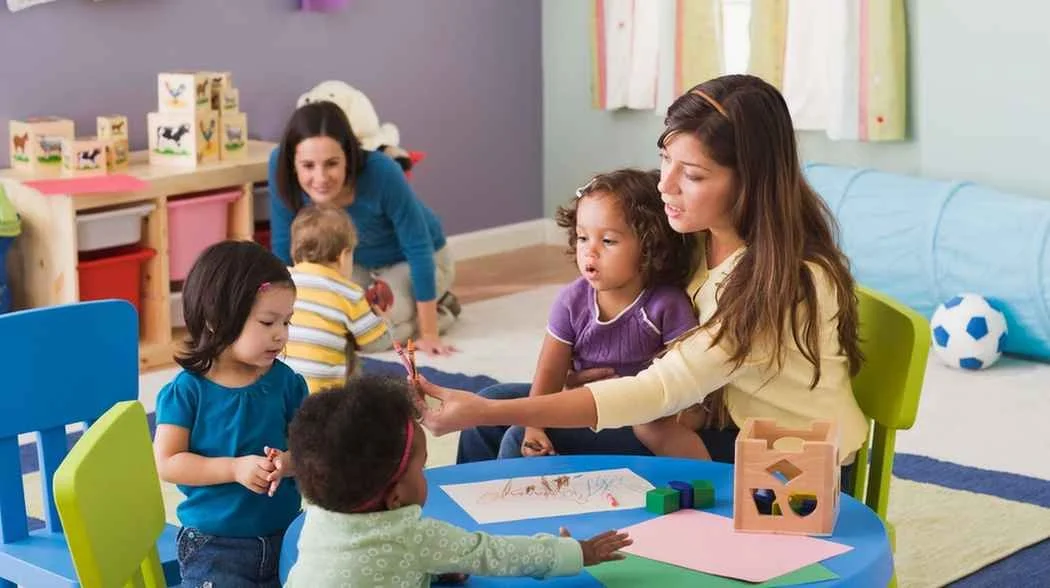
Where available, small group social skills sessions provide a structured opportunity to practice peer interaction in a supported, naturalistic context.
-
Teaching learners to greet others, make eye contact, respond to their name, and initiate simple exchanges — the building blocks of every social relationship.
-
Initiating, maintaining, and ending conversations appropriately — including asking and answering questions, staying on topic, and understanding back-and-forth exchanges.
-
Engaging in community events, hobbies, stores, parks, and group activities — building the activity engagement skills that support a full and independent life.
-
From parallel play to cooperative games, we build the play repertoire that allows toddlers, children, and young adults to engage meaningfully alongside peers.
-
Understanding physical boundaries, reading social cues, recognizing others' emotions, and responding in contextually appropriate ways across different environments.
-
Navigating disagreements, accepting "no," managing unexpected changes, and advocating for oneself appropriately are critical skills for adolescents and young adults, especially.
Your involvement accelerates progress
CAREGIVER ROLE
Research is clear: active caregiver participation helps learners reach their goals faster. At Behavioral Independence, families aren't observers — they're partners. We provide comprehensive training so caregivers are equipped to reinforce social skills every day, not just during sessions.
Our BCBAs and BCABAs provide direct, in-person caregiver training — including demonstrations, explanations of ABA concepts, and hands-on practice. We track caregiver progress with data, just as we track the learner's progress, ensuring everyone has the skills they need for success.
In-person demonstrations of social skills strategies and reinforcement techniques
Written session notes and progress summaries after every visit
Data collected on caregiver implementation — not just learner progress
Regular family meetings to review goals and celebrate wins
Training available for teachers, aides, and other providers in the learner's life
Translation services available upon request, including Spanish-speaking staff